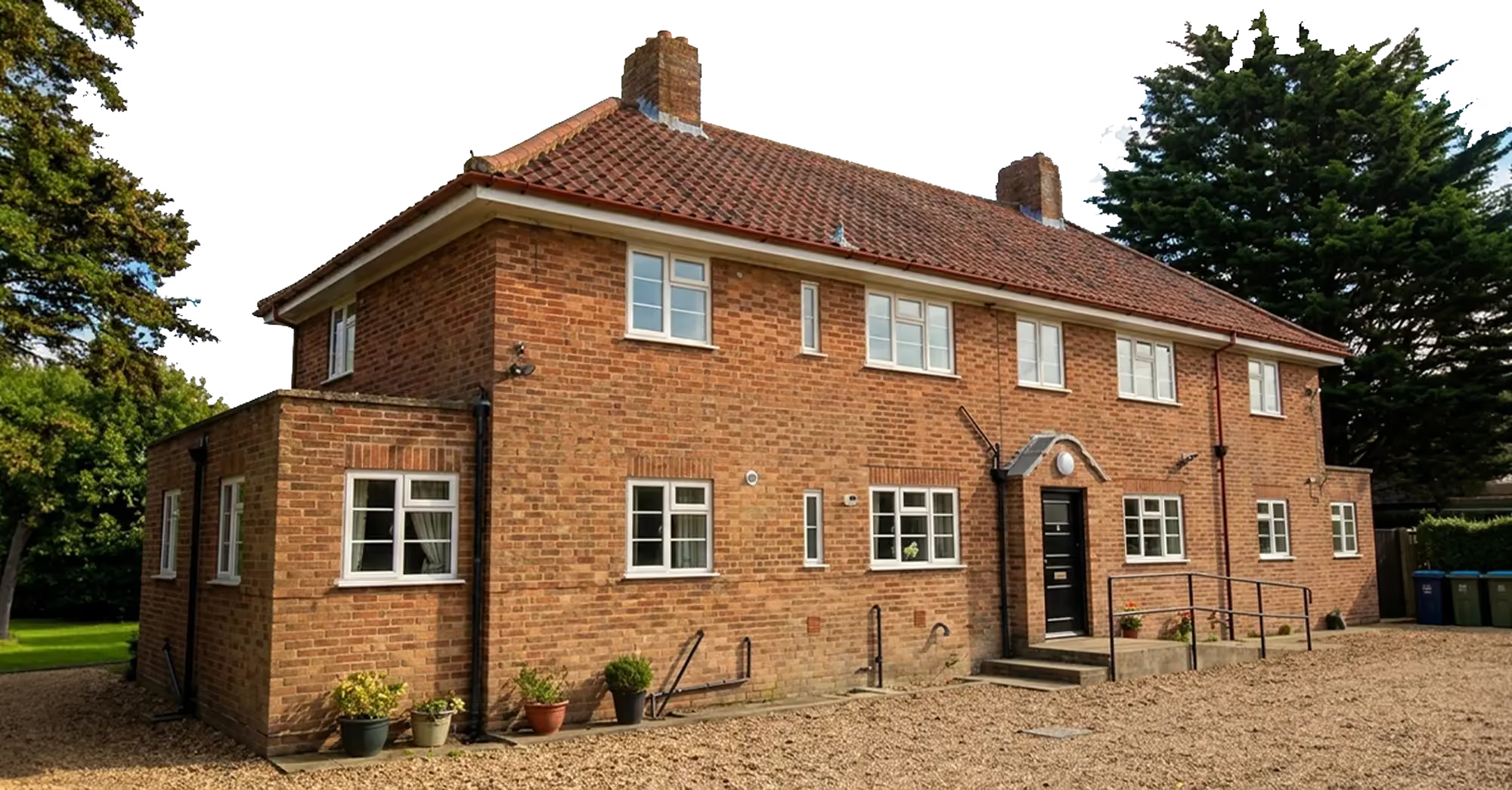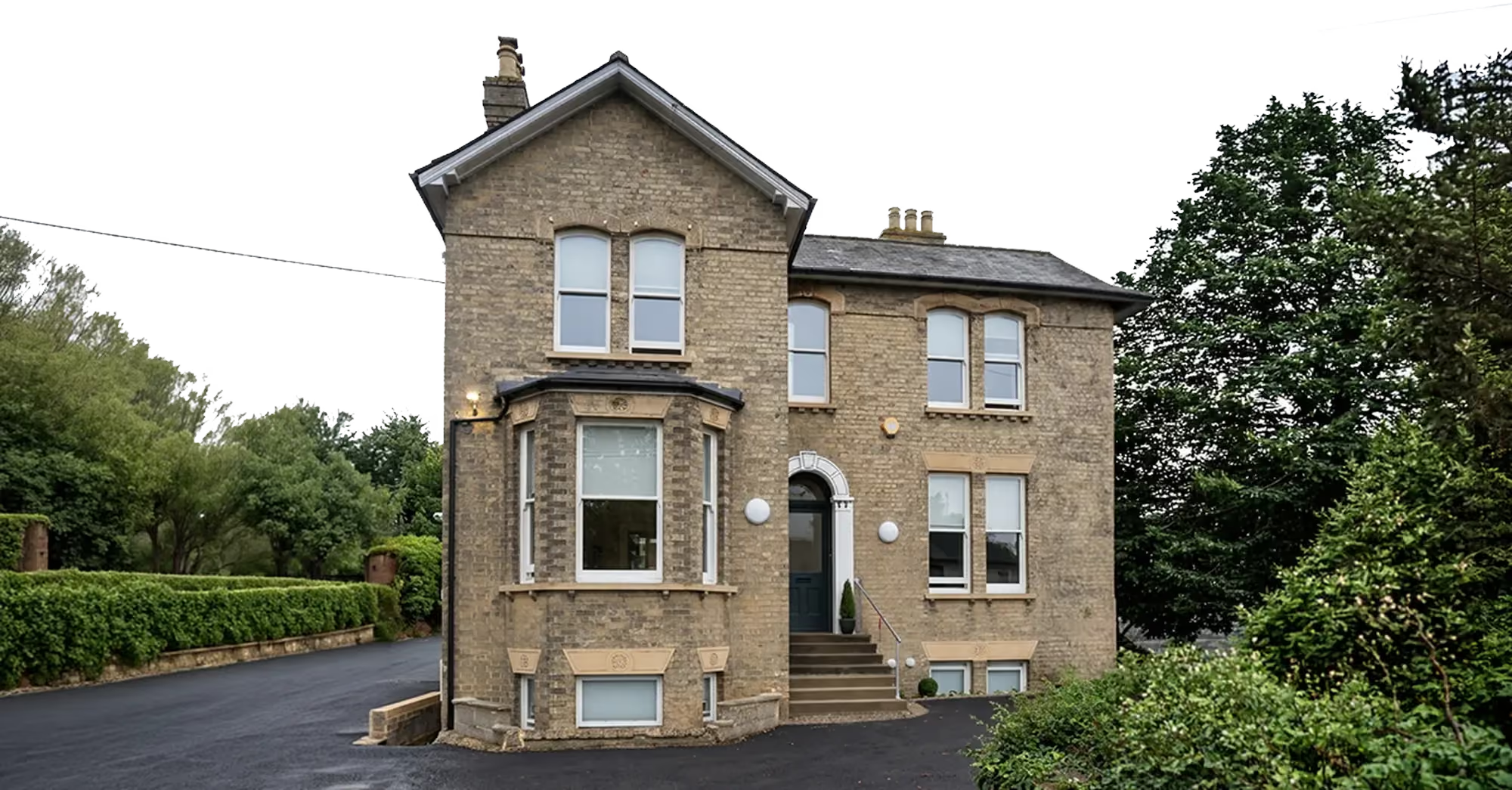
Our homes across East Anglia care for children with a range of needs, from emotional and behavioural difficulties to learning disabilities and autism. Explore each home, its age range and what it offers.
Six small homes across Suffolk and North Essex: three open today, three on the way. Two kinds of specialist care, one standard across all of them.
Homes for children who need support with their emotions and behaviour. Small, warm and structured, with steady teams who help children feel safe, build trust and settle.
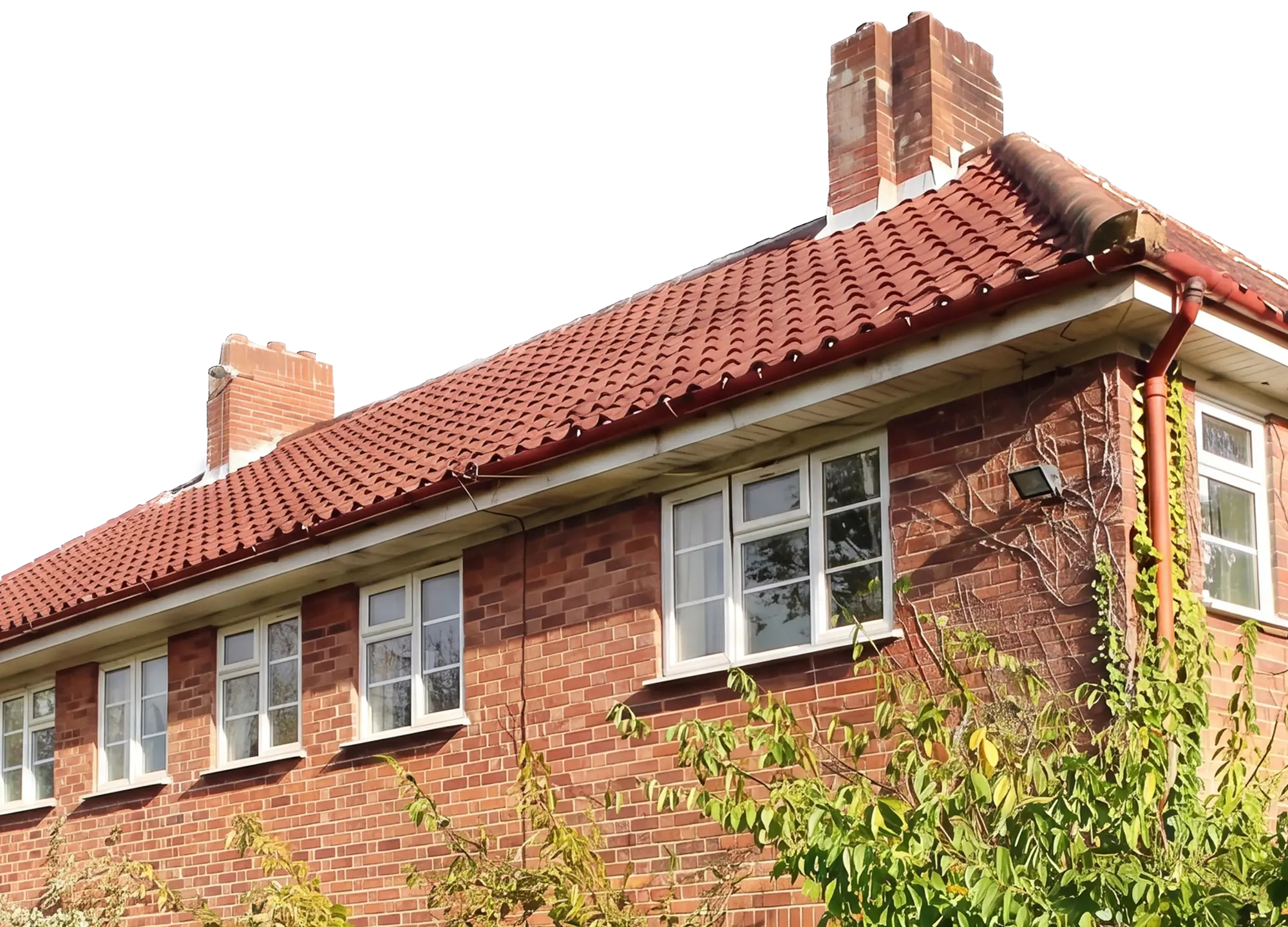
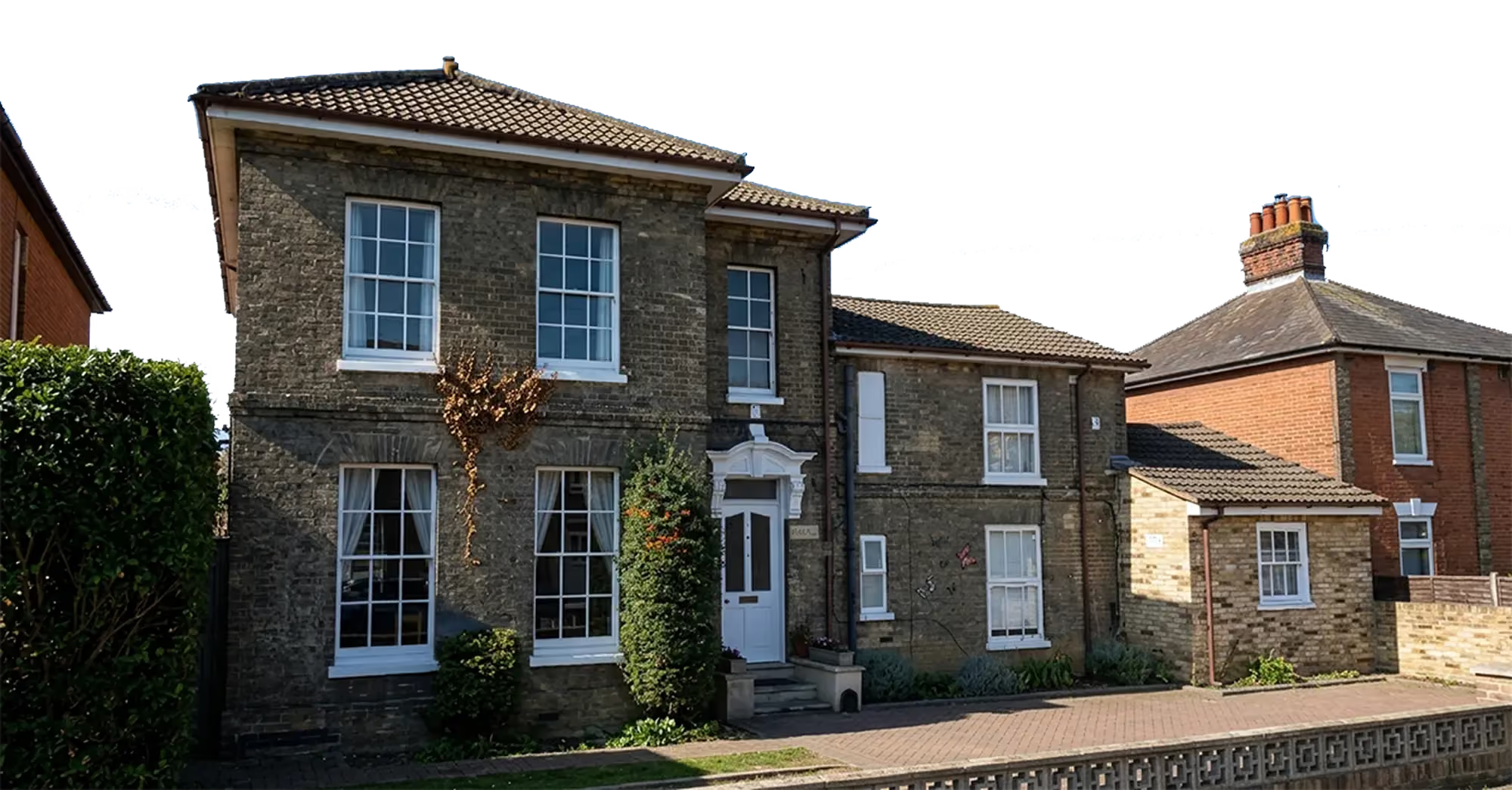
A warm, structured home in Ipswich for up to seven children with social and emotional difficulties, with consistent routines built around each child.
9 to 18

Calm, sensory-aware homes built around how each child communicates and experiences the world.
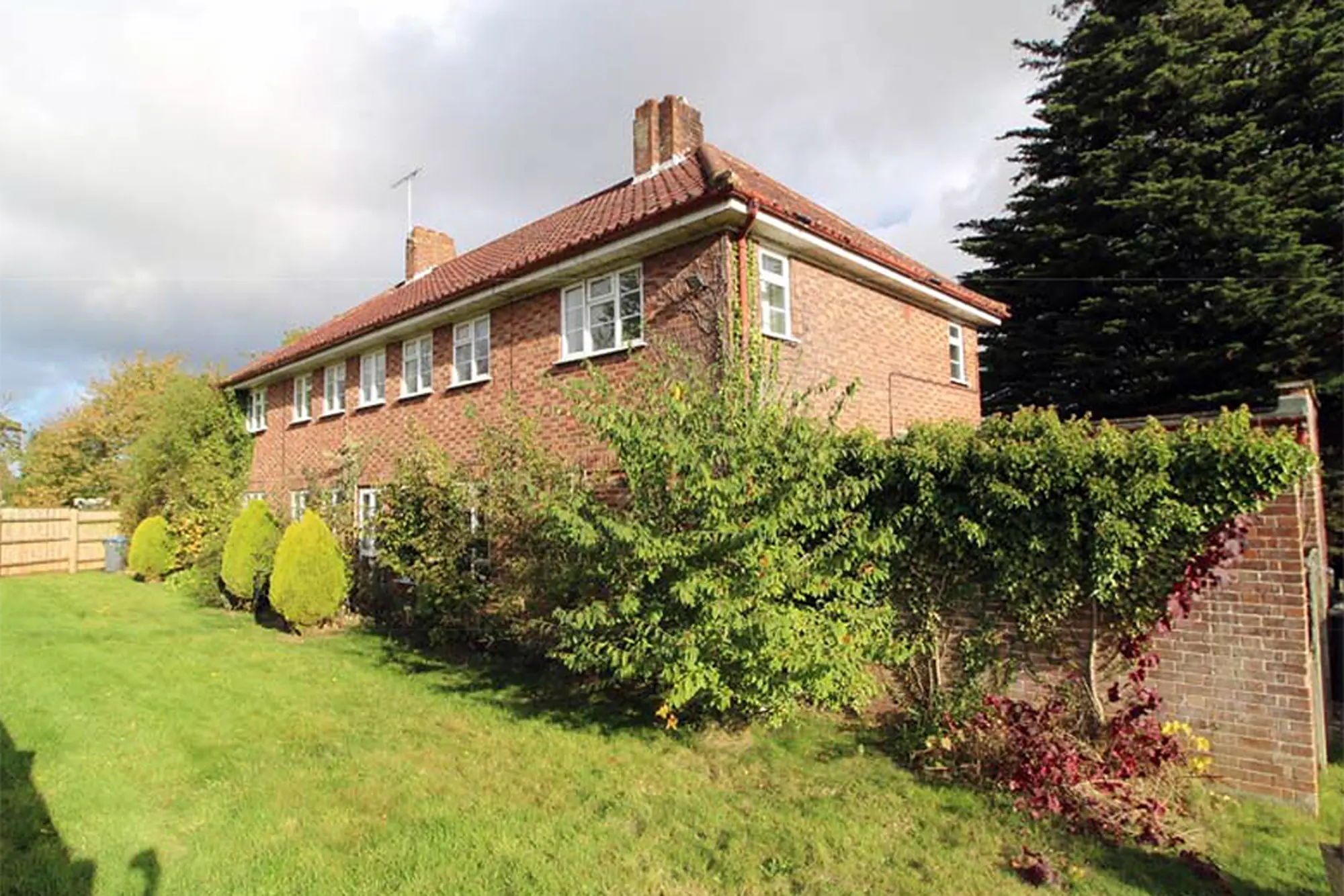
Placing a child, or weighing up whether we are the right fit? Tell us what you need and you will have an honest answer within one working day.
Make a referral enquiryBehind our teams sits clinical expertise: psychologist-led consultation that shapes how we understand each child, and clinical supervision that supports our staff with the emotional weight of the work. As we grow, we are investing in clinical roles of our own.
We work to understand why a child behaves as they do, rather than simply managing it. Consequences link clearly to actions, and after difficult moments staff and children talk it through together.
Every Registered Manager leads safeguarding in their own home, every member of staff is trained and retrained in it, and oversight runs to director level. Independent visitors also inspect every home, every month, and their reports go to Ofsted as well as to us.
Each Able home runs as its own household, with its own team, its own routines and its own front door. That separateness is deliberate: children settle better in a home that feels like a home, not a branch of an organisation.
What connects the homes sits behind the scenes. All of them are run by one family-founded group, work to one set of standards, share the same training and therapeutic approach, and are checked the same way, including monthly independent visits to every home. Managers work as one team across the group, so good practice in one home reaches all of them. The result is simple: which home a child joins changes the address, not the quality of care.


Every home is measured against the same expectations, with independent visitors reporting monthly on each one.
Registered Managers supported by Operations Managers who work across the group, not in silos.
The same training and therapeutic thinking in every home, shaped to each child.
A successful placement is not about filling an empty bed. It is about making sure the home is the right fit for the child, and the right fit for the children already living there. We operate a responsive, carefully matched admissions process.
We receive the Local Authority referral and respond within one working day.
We assess the needs of the child being referred alongside the children already living here, and we only proceed where the match works for everyone.
Visits first, then a planned admission and a transition built around the child.

All our homes are rated Good or Outstanding by Ofsted
Members of